
Handheld Heat Sealers: Small Tool, Huge Impact
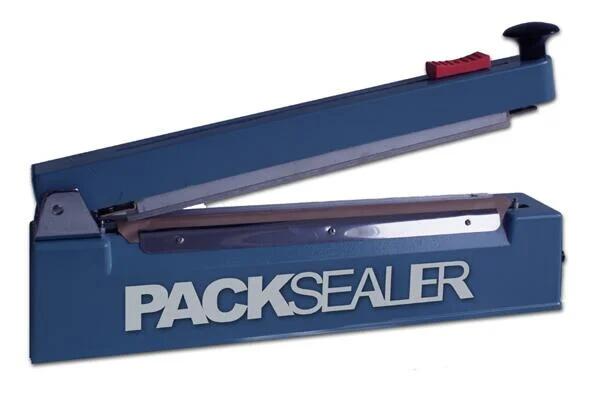
Introduction
Handheld heat sealers have become a go‑to tool for businesses and households that need quick, reliable packaging solutions. From sealing food to securing industrial materials, these compact devices solve the everyday problem of keeping products protected, fresh, and tamper‑evident. In this article, you’ll learn what handheld heat sealers are good at, what they’re designed for, and how they benefit different types of users
What Is a Handheld Heat Sealer and How Does It Work?
A handheld heat sealer is a portable device that uses heat and pressure to fuse thermoplastic materials, such as polyethylene, polypropylene, and multi‑layer barrier films, creating airtight and sometimes watertight seals that protect contents during storage or transport. These devices are commonly used across food, medical, electronics, and consumer goods industries because they maintain product integrity, prevent contamination, and offer clean, durable seals.
Industrial‑grade handheld options also feature adjustable temperature controls, durable materials like Teflon coatings, and compatibility with various bag thicknesses—making them effective even in demanding environments like warehouses and packaging lines
What Handheld Heat Sealers Are Good At
Handheld heat sealers excel at quick, on‑demand sealing, especially when mobility and flexibility are needed. They are ideal for sealing clamshells, Mylar bags, foils, standard plastic bags, and other packaging materials across small shops, home use, and retail environments. These tools provide rapid seals without the need for warm‑up time (in the case of impulse models), along with adjustable temperature settings to handle different materials safely and effectively. [drillorigo.com]
Because they allow easy access to tight corners and irregular surfaces, handheld sealers are often more practical than larger machines for patching, spot sealing, or handling packaging with unusual shapes. However, as noted in industrial comparisons, consistent pressure and timing are key to achieving strong seals
Common Uses and Best Applications
These sealers are widely used for food packaging, frozen goods, dried items, pharmaceuticals, electronics, and even industrial tools. They help create tamper‑evident seals, maintain sterility in medical applications, and prevent moisture or contaminants from affecting products during storage or shipping. [imperialdade.com]
Modern handheld models also support a range of temperatures—from roughly 180°C to 300°C depending on the device—giving them the versatility to handle light household bags or thick multilayer films used in more advanced packaging. This versatility makes them useful in bakeries, delis, retail counters, e‑commerce packaging stations, and small‑scale production line
Conclusion
Handheld heat sealers are small tools with a big impact. They offer portability, fast sealing, and strong results across industries—making them ideal for anyone who needs reliable packaging without investing in large machinery. Whether you’re sealing food, preventing product tampering, or packaging retail goods, a handheld heat sealer ensures efficiency and product protection.
Ready to improve your packaging workflow? Explore our heat sealer guides or subscribe for more packaging insights and tips.