
Heat Sealer for Sterilisation Pouches
Heat Sealer for Sterilisation Pouches
Heat sealer for sterilization pouches — validated machines that produce consistent, auditable seals on paper-film and Tyvek peel pouches. ISO 11607 compliant sealers from £945, with UK stock and fast dispatch for CSSD, dental, and decontamination facilities.
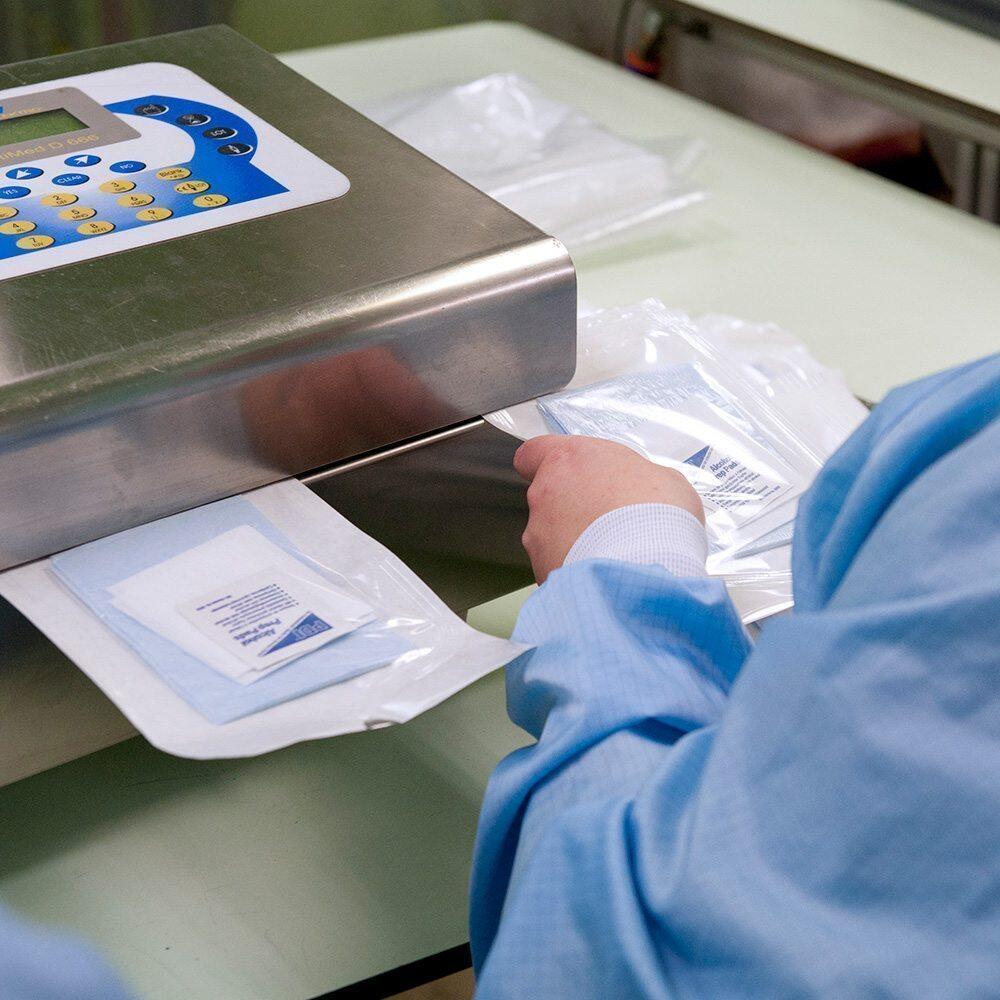
How sterilisation pouch sealers maintain sterile barrier integrity
A sterilisation pouch is only as reliable as its seal. The sterile barrier depends on a continuous, uniform seal that survives autoclave cycles without delamination or channel leaks. That means consistent temperature, pressure, and dwell time across the full seal width — every time.
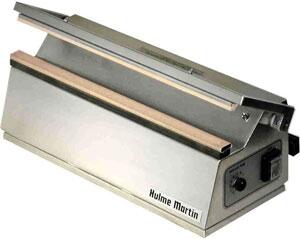
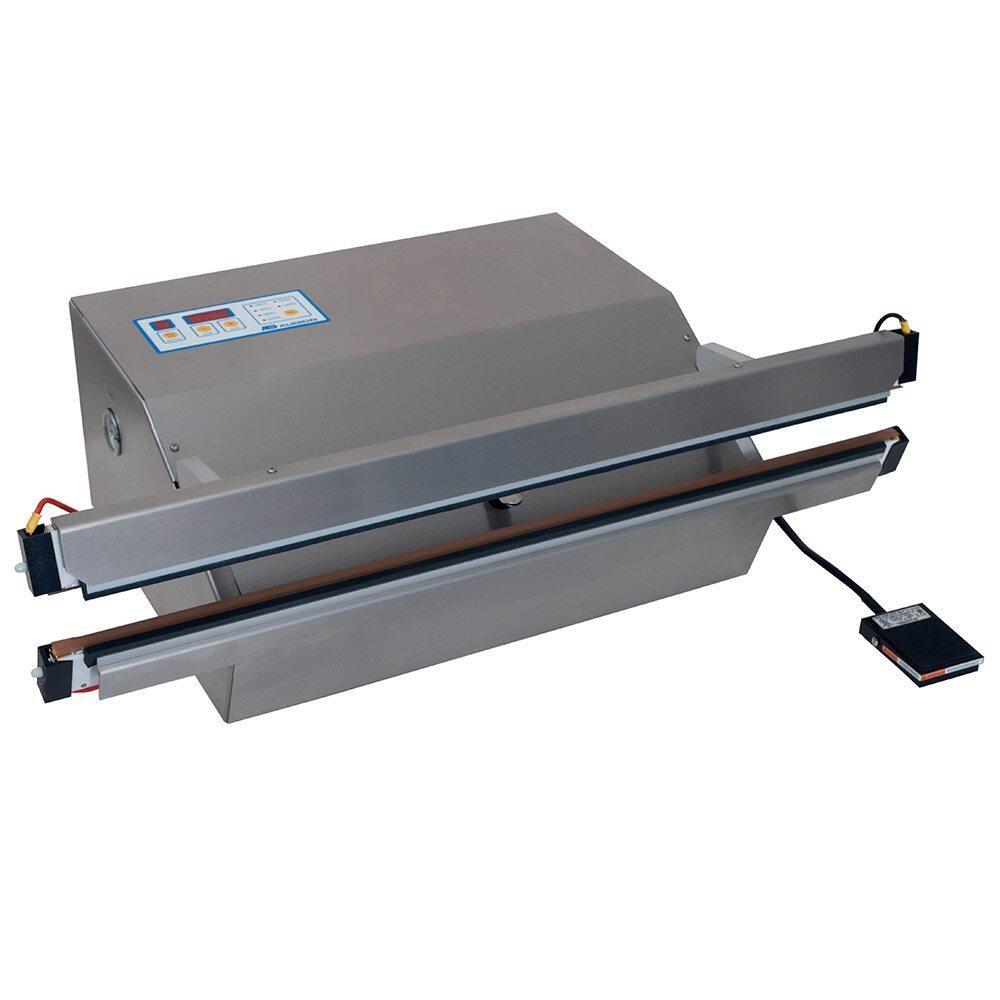
Purpose-built medical heat sealers deliver this repeatability. The Audion AD666 MPCV uses self-correcting pressure across a continuous band mechanism, producing a multi-line seal that meets DIN 58953 and ISO 11607 requirements. For smaller CSSD departments and dental surgeries, the Hulme Martin HM 2950 provides impulse sealing with dual-timer control for precise heat and cool phases — critical for maintaining seal integrity on paper-film peel pouches.
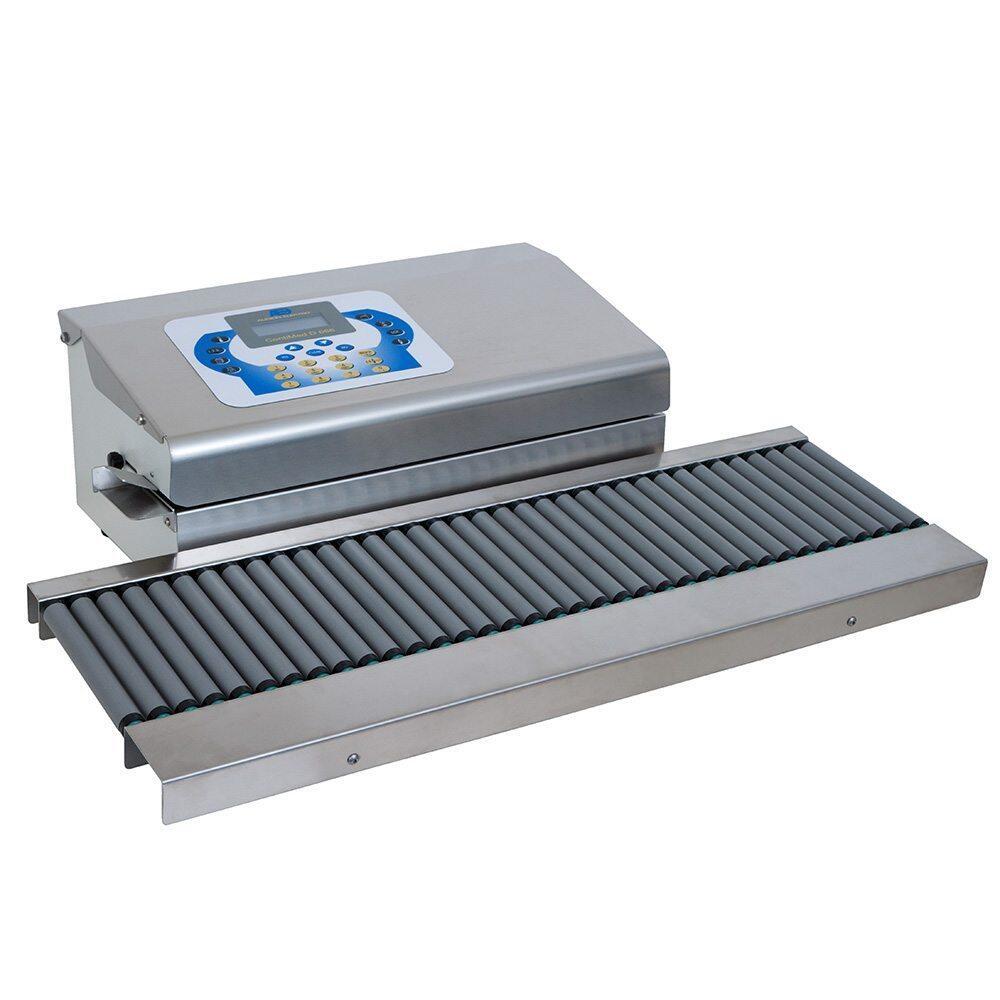
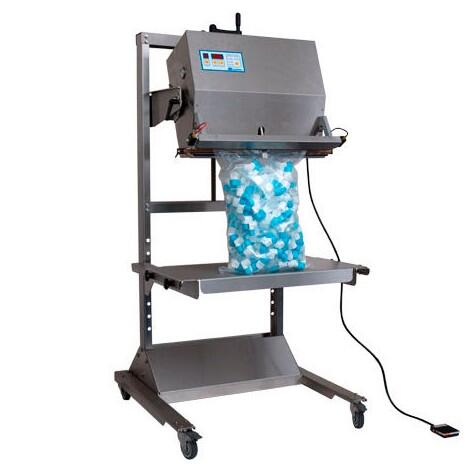
Impulse sealers versus continuous band sealers for pouches
Impulse sealers heat on demand — a short burst of current through the element wire creates the seal, then the cooling phase sets it. They suit facilities processing batches of pouches at moderate volume. The HM 2950 is an impulse sealer in 316 stainless steel, IP rated for decontamination areas where washdown is routine.
Continuous band sealers run non-stop. Pouches feed through on a conveyor belt, passing heated rollers that seal as they travel. The AD666 MPCV handles high-throughput CSSD environments where hundreds of pouches per shift need consistent, validated seals. Its matrix printer adds batch codes, date stamps, and operator IDs directly to the pouch — an audit trail built into every seal.
For facilities that need vacuum extraction before sealing — removing air from the pouch to improve sterilant penetration — the Audion Magvac combines vacuum and seal in one operation, validated to ISO 11607-2.
Validation and compliance requirements
ISO 11607 governs packaging for terminally sterilised medical devices. Part 1 covers materials and design; Part 2 covers the sealing process itself — including installation qualification (IQ), operational qualification (OQ), and performance qualification (PQ). EN 868 specifies the materials used in sterilisation pouches, including paper-film laminates and Tyvek headers.
A validated sealer must produce seals within defined parameters and log those parameters for audit. The AD666 MPCV and Magvac both offer calibration options and parameter logging. The HM 2950, while not digitally logged, provides repeatable dual-timer control that can be documented within a facility’s own validation protocol.
If your facility is subject to CQC, MHRA, or HTM 01-01 requirements, choose a sealer that supports documented validation. Our team can advise on which machine fits your compliance framework — call 0121 704 0294.
Matching the sealer to your pouch material
Paper-film peel pouches are the most common sterilisation pouch type. They require moderate temperature (around 170–190°C for impulse, or controlled roller temperature for band sealers) and a seal width of at least 6mm to meet EN 868 requirements. Both the HM 2950 and AD666 MPCV handle paper-film pouches as standard.
Tyvek pouches and headers need higher sealing temperatures and tighter dwell-time control. Tyvek is a synthetic material that does not delaminate like paper-film — the seal forms by fusing the Tyvek fibres to the film layer. The AD666 MPCV’s adjustable temperature and speed settings accommodate Tyvek, as does the Magvac for vacuum-sealed Tyvek pouches.
If you process both paper-film and Tyvek pouches, you need a sealer with adjustable parameters — or dedicated machines for each material. Dental practices typically use paper-film only; hospital CSSDs often handle both. Not sure which applies? Send us sample pouches and we will test them against our machines before you buy.
Heat sealers for sterilisation pouches
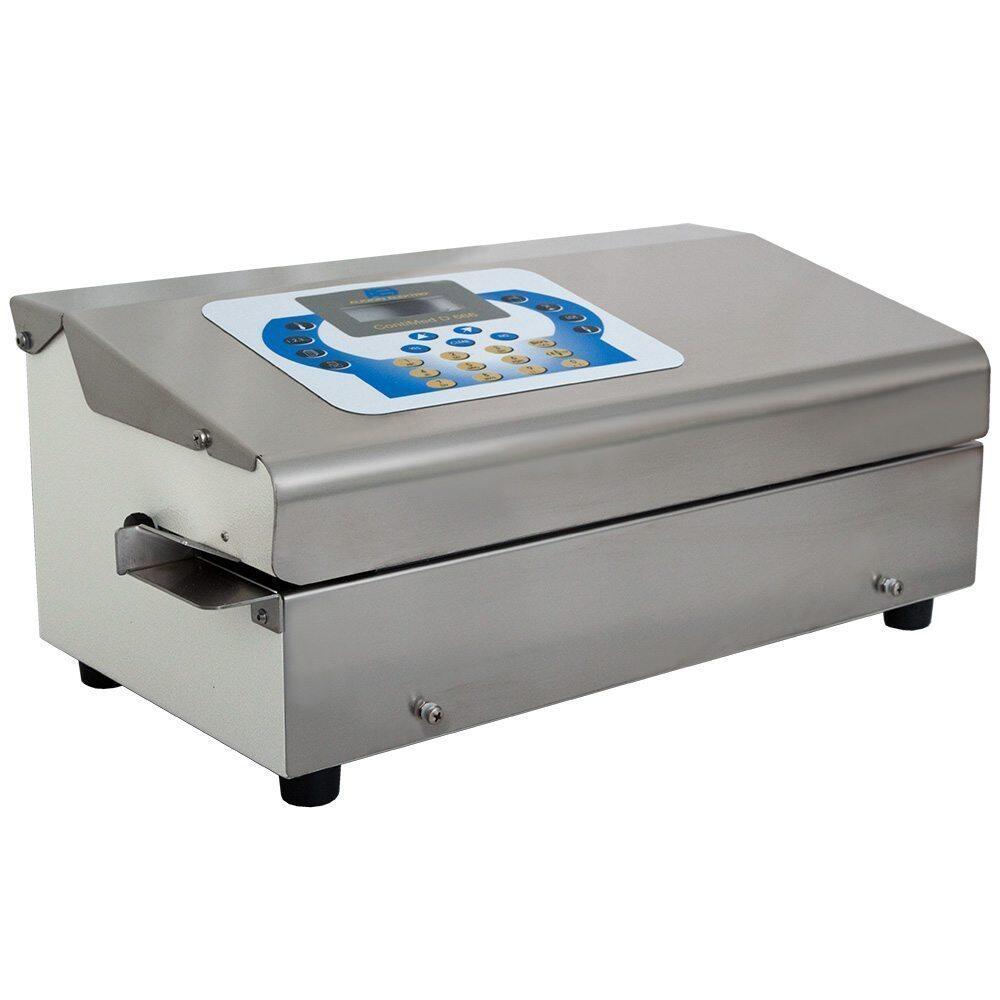
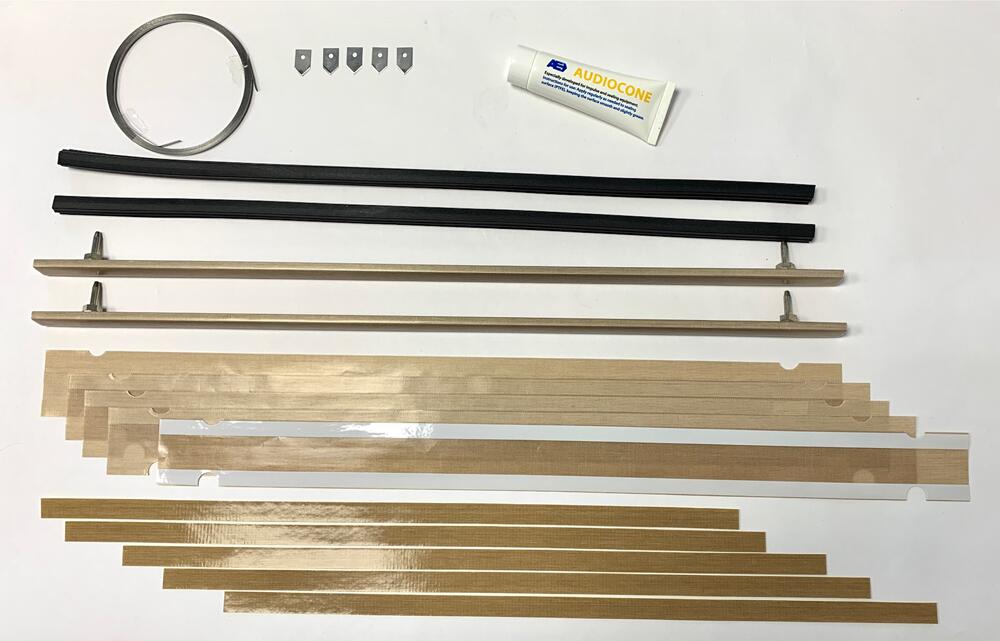
Replacement parts for sterilisation pouch sealers
Seal wire, PTFE tape, rubber pressure pads, and cutter blades. In sterile processing environments, replace consumables on a fixed schedule — typically every 3 months or per your facility’s validation protocol.
Shop Spares Kits →What customers say
“They tested heat sealers on some sample bags I sent them to confirm suitability, even though the sale was relatively low value. Ultimately the unit I ended up purchasing was perfect for my needs.”
“I have been purchasing bag sealers spares kits and bags from Packsealer for around 4 years. I find the quality of the machines outstanding and the service is brilliant. The team are very informative and helpful I have no hesitation recommending Packsealer for all your packaging needs.”
“I have been purchasing heat sealers and spares from Pack Sealer for a few years now and the level of service has been second to none.”
Common questions
EN 868 requires a minimum seal width of 6mm for sterilisation pouches. Most medical sealers produce seals between 6mm and 12mm. The AD666 MPCV produces a multi-line seal that exceeds this minimum, while the HM 2950 delivers a single seal of approximately 8mm — both compliant with EN 868 and ISO 11607 requirements.
If you are packaging medical devices or instruments for terminal sterilisation, ISO 11607-2 requires a validated sealing process — documented IQ, OQ, and PQ. Even if not legally required for your setting, a validated sealer provides repeatable, auditable seals that reduce the risk of sterile barrier failure. For dental practices, a sealer with consistent timer controls (like the HM 2950) is often sufficient when paired with your own documented procedures.
Yes, provided the sealer has adjustable temperature and dwell-time settings. Tyvek requires higher sealing temperatures than paper-film. The AD666 MPCV and Magvac both support adjustable parameters for switching between materials. The HM 2950 can seal paper-film pouches reliably; for Tyvek, check with our team whether the temperature range suits your specific pouch specification.
Visual inspection is the first line — check for channel leaks, wrinkles, and incomplete seals along the full length. Peel testing (manually peeling a sealed sample and checking for even fibre tear on paper-film pouches) confirms bond strength. For formal validation, burst testing and seal-strength testing per EN 868-5 provide quantitative data. Facilities should conduct routine peel tests at the start of each shift and after any parameter change.
Replace seal wire, PTFE tape, and pressure pads on a fixed schedule — typically every 3 months in a busy CSSD, or per your facility’s validation protocol. Clean sealing surfaces daily. For band sealers like the AD666 MPCV, inspect the conveyor belt and rollers weekly. Document all maintenance as part of your ongoing validation records.
Not sure which sealer is right? Our free assessment matches you in two minutes.
Find My MachineFind the right heat sealer for your sterilisation pouches
Validated and medical-grade sealers from £945. UK stock, fast dispatch, and expert advice on 0121 704 0294.
View Medical & Validatable Sealers → Or call: 0121 704 0294 (Mon–Fri, 9am–5pm)