
Heat Sealer for Frozen Food
Heat Sealer for Frozen Food
A heat sealer for frozen food needs to produce an airtight seal that survives freezer temperatures, prevents freezer burn, and keeps product quality intact through cold storage and distribution. Whether you are vacuum sealing portions for a butchery or running a frozen ready-meal production line, the right machine depends on your throughput, bag type, and whether you need air removal.

Why frozen food packaging needs an airtight seal
Freezer burn happens when air reaches the surface of frozen food. Ice crystals form on the product, moisture is lost, and texture and flavour degrade. The UK frozen food market is worth over £8.3 billion, and every wasted product due to poor packaging erodes your margin.
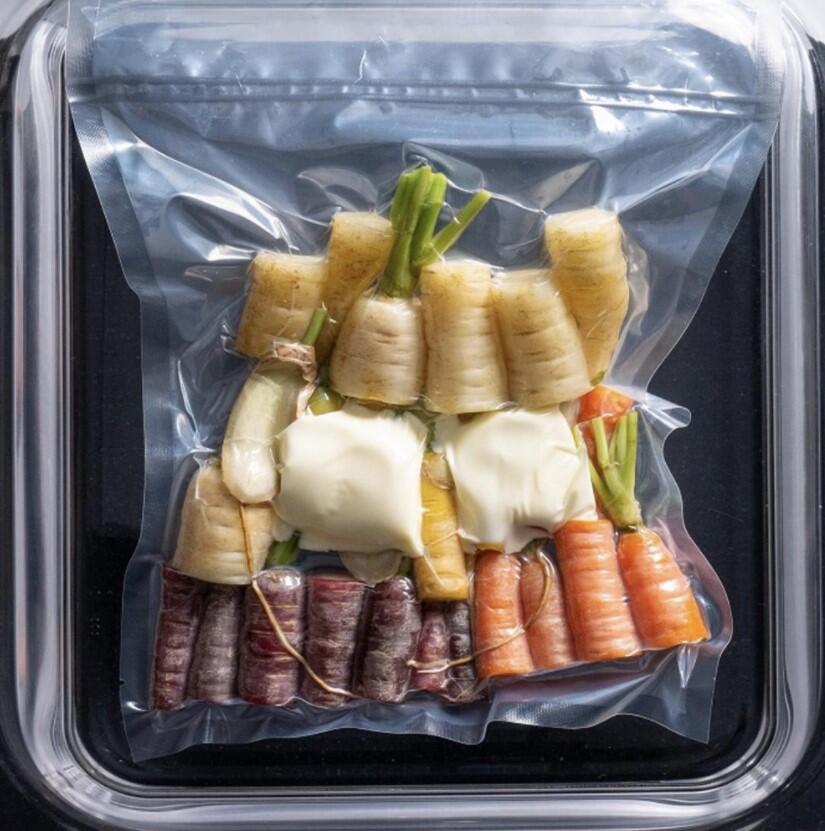
The solution is straightforward: remove the air or seal it out completely. A chamber vacuum sealer pulls air from the bag before sealing, which is the most effective method for preventing freezer burn on meat, fish, and prepared meals. For polythene bags of frozen vegetables, fruit, or IQF products, an impulse sealer creates a reliable airtight closure without the need for vacuum.
The right machine depends on your product and volume. Smaller operations sealing polythene bags by hand need an impulse sealer. Production lines running thousands of packs a day benefit from a continuous band sealer with date coding. Businesses packaging high-value proteins or ready meals should consider a chamber vacuum sealer for maximum shelf life. If you also pack fresh meat, our vacuum packing machines for meat page covers the full range.
Choosing the right sealer for your frozen food operation
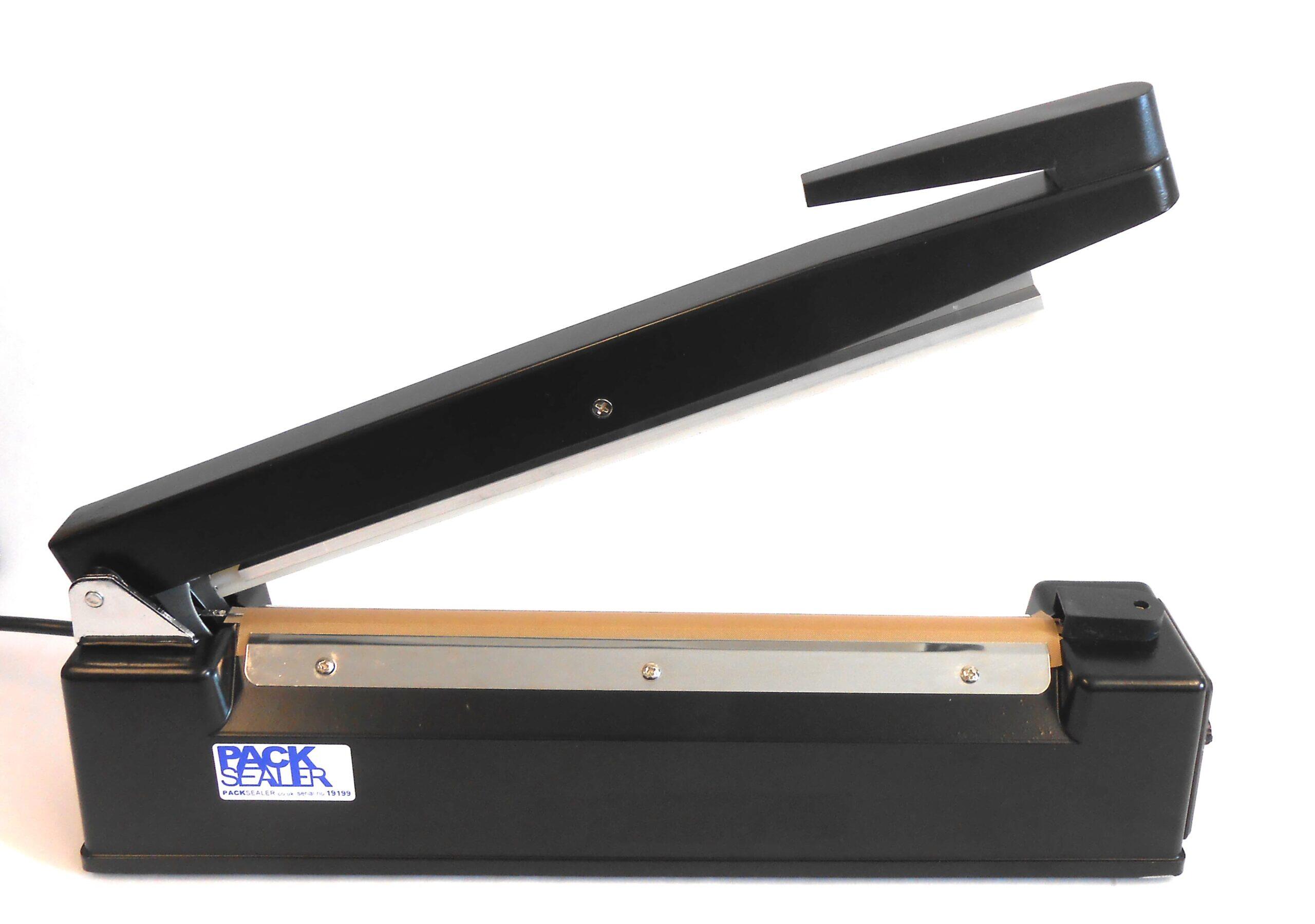
For small-batch frozen food producers sealing polythene bags of frozen fruit, vegetables, or baked goods, a hand impulse sealer handles the job reliably. The 300mm Hand Impulse Sealer seals bags up to 280mm wide and costs just over £100. It works on standard polythene up to 600 gauge, which covers most frozen food bags.
When daily volumes exceed 500 bags, a foot-pedal sealer frees your hands for bag positioning. The Hulme Martin HM 1800 offers a 490mm seal length with foot pedal operation and handles heavier materials up to 1000 gauge. This is the sealer we recommend for frozen food packers who need a wider seal and consistent results across a full shift.
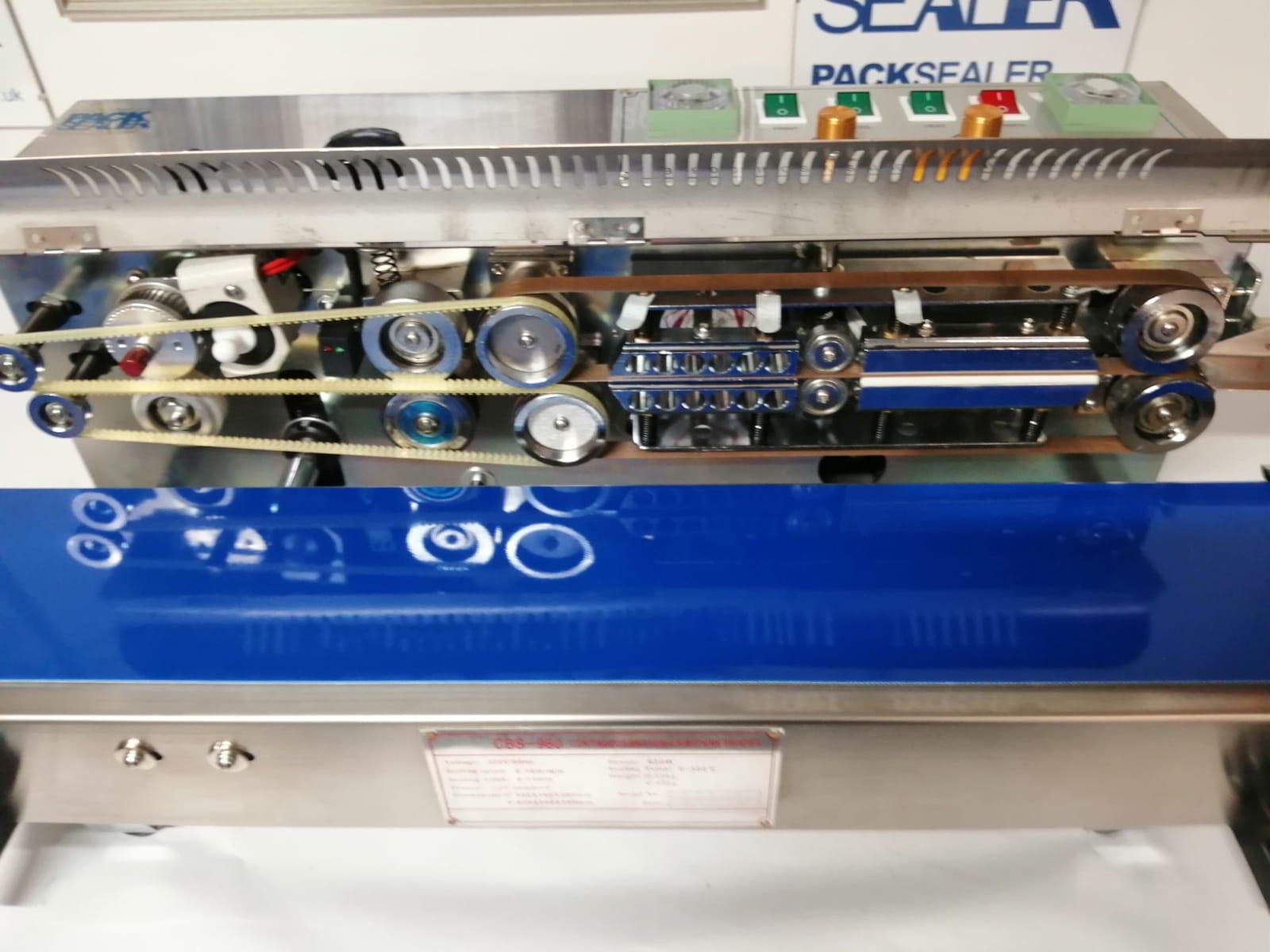
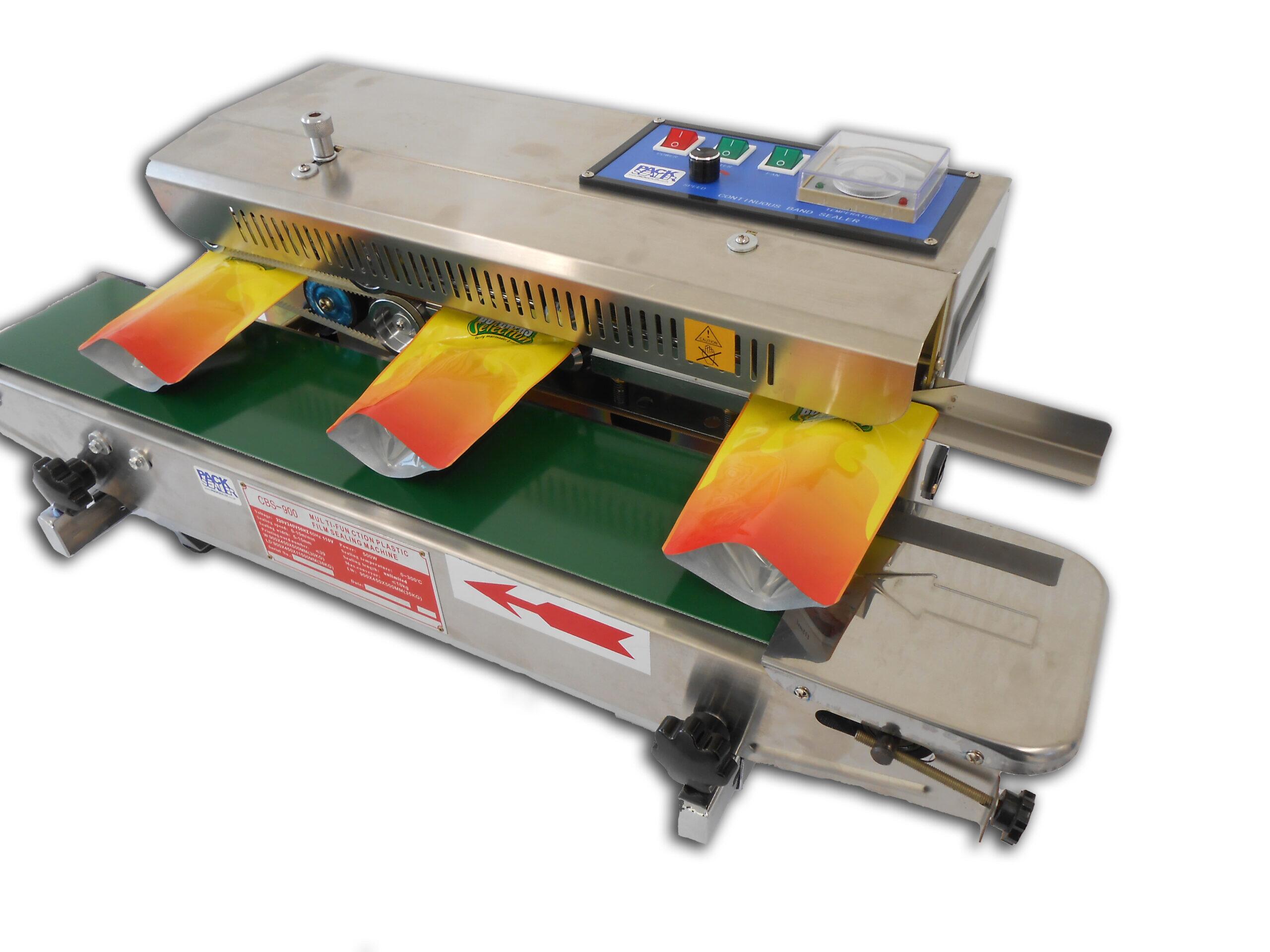
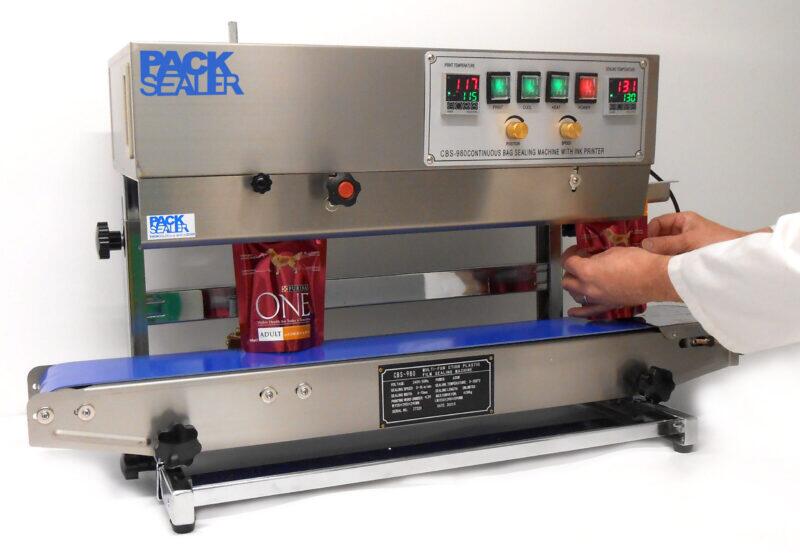
For production-line throughput of 1,000 bags or more per day, a continuous band sealer is the practical choice. The CBS 980 runs at up to 12 bags per minute with a 15mm seal width that survives cold-chain distribution. It includes an ink printing head for date coding and batch traceability, which frozen food manufacturers need for compliance. For broader food packaging applications, our dedicated page covers the full impulse and band sealer range.
Matching the right machine to your frozen food type
Different frozen products need different sealing approaches. Here is what we recommend based on the product type and daily volume:
| Frozen product | Recommended sealer | Why | Price (ex VAT) |
|---|---|---|---|
| Frozen veg, fruit, IQF portions | 300mm Hand Impulse Sealer | Simple polythene bag closure, low volume | £105.99 |
| Frozen baked goods, pastry | Hulme Martin HM 1800 | 490mm seal, foot pedal, heavier polythene | £630.00 |
| Frozen ready meals (polythene bags) | CBS 980 Band Sealer | 15mm seal, date coding, 5,000+ bags/day | £1,099.00 |
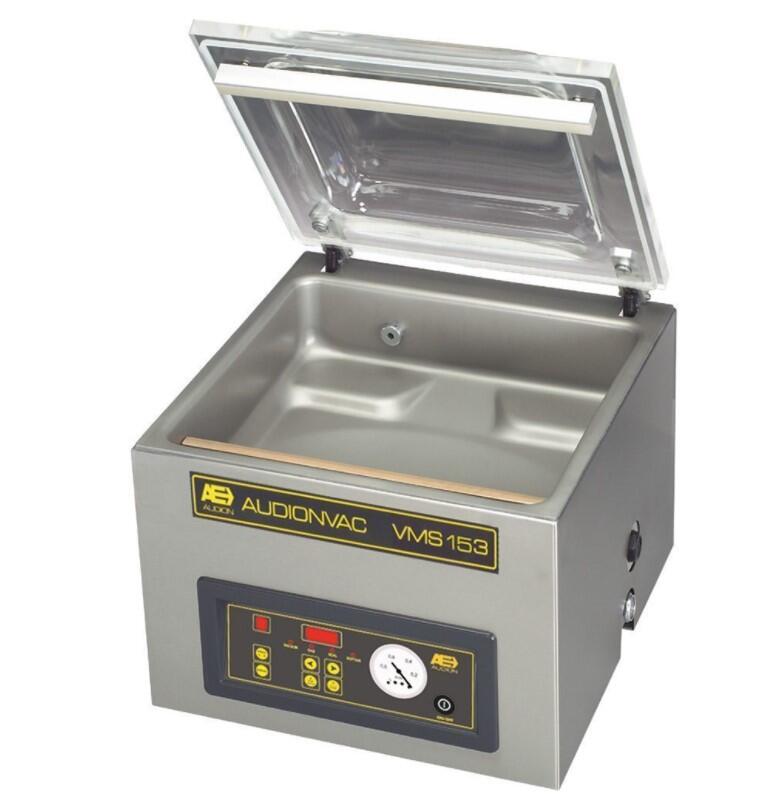
| Frozen meat, fish, high-value proteins | AVMS153 Chamber Vacuum Sealer | Full vacuum removes air, prevents freezer burn | £2,825.00 |
| Bulk frozen food, large portions | Boxer 80 Chamber Vacuum Sealer | Extra-large chamber, dual seal bars, production grade | £3,290.00 |
Chamber vacuum sealers are the strongest option for frozen food because they remove the air inside the bag before sealing. This eliminates the root cause of freezer burn. For products where vacuum sealing is not practical (loose frozen items, bags of IQF vegetables), a strong impulse or band seal on a polythene bag is sufficient to prevent moisture loss during cold storage.
Materials and seal integrity at freezer temperatures
Not all bag materials behave the same way at sub-zero temperatures. Standard polythene (PE) remains flexible at -18°C and holds an impulse seal well. Polypropylene (PP) becomes more brittle and can crack at the seal line under cold-chain handling. For frozen food, PE bags or PA/PE vacuum pouches are the safer choice.
| Bag material | Freezer suitable | Seal method | Notes |
|---|---|---|---|
| Polythene (PE) bags | Yes | Impulse or band seal | Most common for frozen veg, fruit, baked goods |
| PA/PE vacuum pouches | Yes | Chamber vacuum sealer | Best for meat, fish, ready meals — prevents freezer burn |
| Polypropylene (PP) | Limited | Impulse seal | Can become brittle at -18°C — avoid for heavy items |
| Laminate / foil pouches | Yes | Constant heat sealer | For specialised frozen food retail packs |
If you are unsure whether your current bags will hold a reliable seal through the freezing and distribution process, send us a sample. We test bags against our machines daily and can confirm compatibility within 24 hours. Call 0121 704 0294 or email us with your bag material and dimensions.
Heat sealers for frozen food packaging


Replacement parts for all sealers we sell
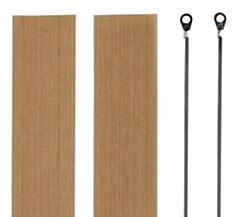
Heating wire, PTFE strip, vacuum pump oil, seal bar refurbishment packs, and complete spares kits. Most impulse sealer users replace the wire and Teflon after 6–12 months of regular use. Order the spares kit at the same time as your machine and you will not be caught short during a busy packing shift.
Shop Spare Parts →What our customers say
"I purchased a band sealer PSC900 from the team at Pack sealer the quality is outstanding for the price the customer service from Chris and Steve is brilliant. I would have no hesitation purchasing any other products to from this fine company. Keep up the great work."
"Wasn't sure which machine was most suitable for my requirements, phoned up and spoke to very friendly and knowledgeable staff member. Ordered a machine based on their advise and it's just what I needed. Would highly recommend."
"Excellent service today from Chris at PackSealer. I needed some parts delivering urgently. Chris dropped everything and got them on their way within the hr for next day delivery. Thanks Chris much appreciated."
Common questions
Yes. Standard polythene (PE) frozen food bags seal reliably on impulse heat sealers. The bag needs to be dry at the seal area. If sealing pre-frozen items, wipe any ice or moisture from the open end of the bag before sealing to ensure a clean, airtight closure.
Use a chamber vacuum sealer. It removes the air from inside the bag before sealing, which eliminates the root cause of freezer burn. For items where vacuum is not practical (loose IQF products, frozen vegetables), use a heavy-gauge polythene bag with a strong impulse or band seal to minimise air exposure.
Polythene (PE) seals remain flexible and intact at -18°C and below. Polypropylene (PP) can become brittle at low temperatures, so we recommend PE bags for frozen food. PA/PE vacuum pouches are specifically designed for cold-chain storage and hold their seal integrity throughout distribution.
For high-value products like meat, fish, and ready meals, a chamber vacuum sealer gives the best shelf life by removing all air before sealing. For loose frozen items (frozen peas, chips, fruit) an impulse sealer on a polythene bag is sufficient and more cost-effective. The deciding factor is whether air removal will meaningfully extend your product's quality.
A hand impulse sealer handles up to 200 bags per day comfortably. A foot pedal sealer manages 500 to 1,000. A continuous band sealer like the CBS 980 can seal over 5,000 bags per day at up to 12 bags per minute. Chamber vacuum sealers typically process 100 to 300 cycles per day depending on chamber size and cycle time.
Not sure which sealer is right? Our free assessment matches you in two minutes.
Find My MachineFrozen food
Frozen packs usually fail at the seal because the film is thicker than the machine was set for, so the answer is normally seal width and dwell rather than a bigger machine. Send us your bag and we will tell you what holds.
Get a tailored quote from us
Tell us your volume and current setup. We'll match you to the right machine and reply within 24 hours. UK stock, real engineers, honest advice.
Find the right sealer for your frozen food packaging
We stock impulse sealers, continuous band sealers, and chamber vacuum sealers for every scale of frozen food production. UK stock, fast dispatch, and expert advice on 0121 704 0294.
View Frozen Food Sealers → Or call: 0121 704 0294 (Mon–Fri, 9am–5pm)