
Dental Pouch Sealer
Dental Pouch Sealer
A dental pouch sealer is essential for any practice handling its own sterilisation. These machines seal paper-film pouches before the autoclave cycle, maintaining a sterile barrier until the instrument is used. We stock validated and medical-grade sealers from £945, with fast dispatch from UK stock.
Why dental practices need a dedicated pouch sealer
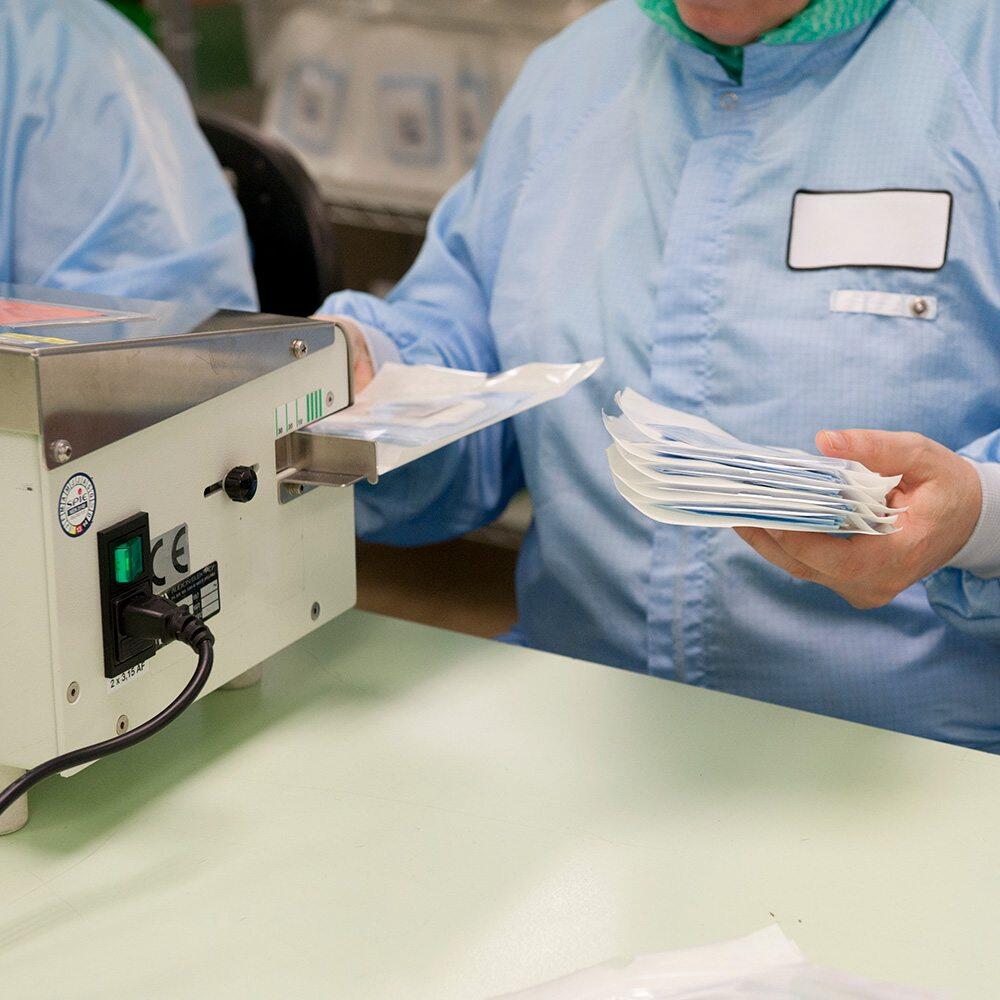
Every reusable dental instrument must be cleaned, packed in a sterilisation pouch, and sealed before entering the autoclave. The seal is the barrier. If it fails, the pouch is no longer sterile and the instrument cannot be used. A dedicated dental pouch sealer gives you a consistent, repeatable seal that meets infection control standards — something a generic office laminator or impulse sealer cannot guarantee.
CQC inspectors and HTM 01-05 guidance both require documented decontamination processes. That includes evidence that pouches are sealed correctly. A medical heat sealer with adjustable temperature and pressure controls lets you dial in the exact settings for paper-film pouches used in dental surgery, and repeat them reliably every time.
Choosing between impulse and continuous band sealers
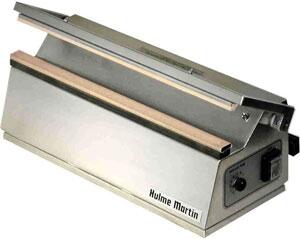
Single-surgery dental practices typically need an impulse sealer. The Hulme Martin HM 2950 is a 316 stainless steel unit with a 310mm seal — wide enough for standard sterilisation pouches. It seals on demand, one pouch at a time, and is compact enough for a decontamination room worktop.
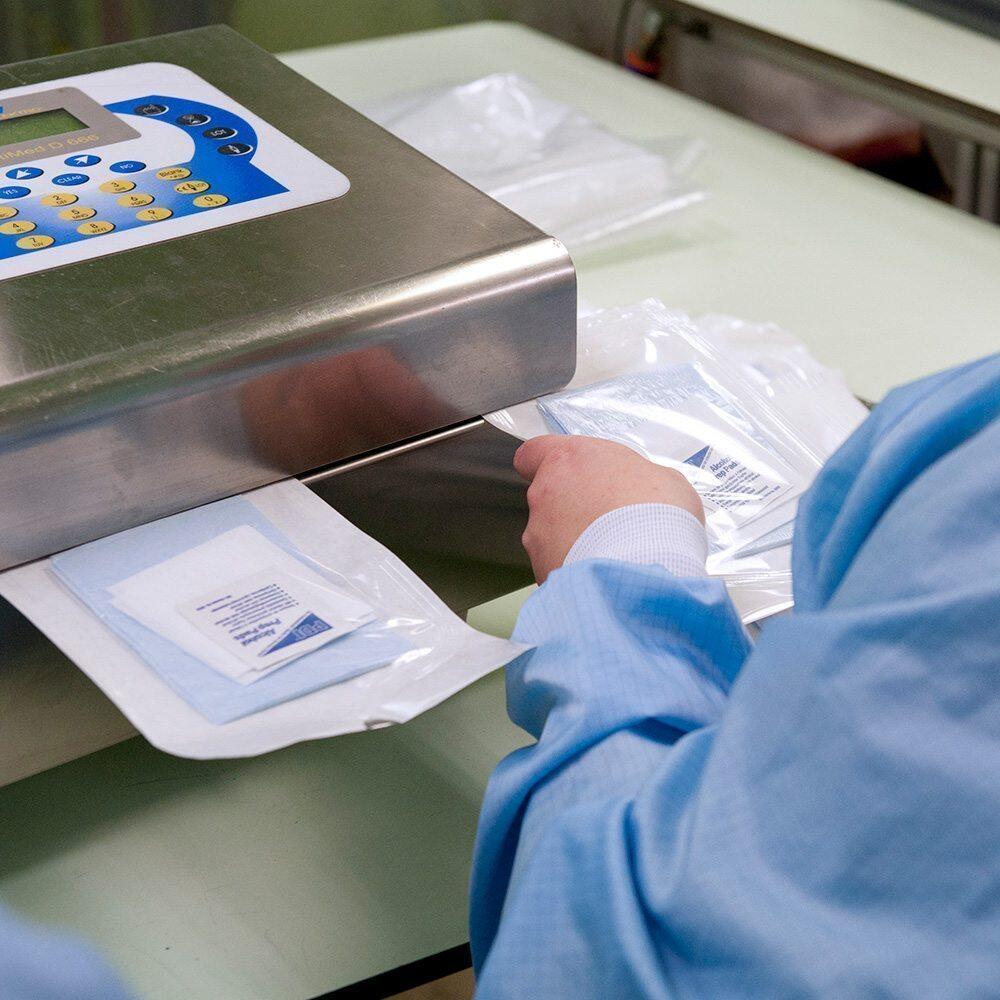
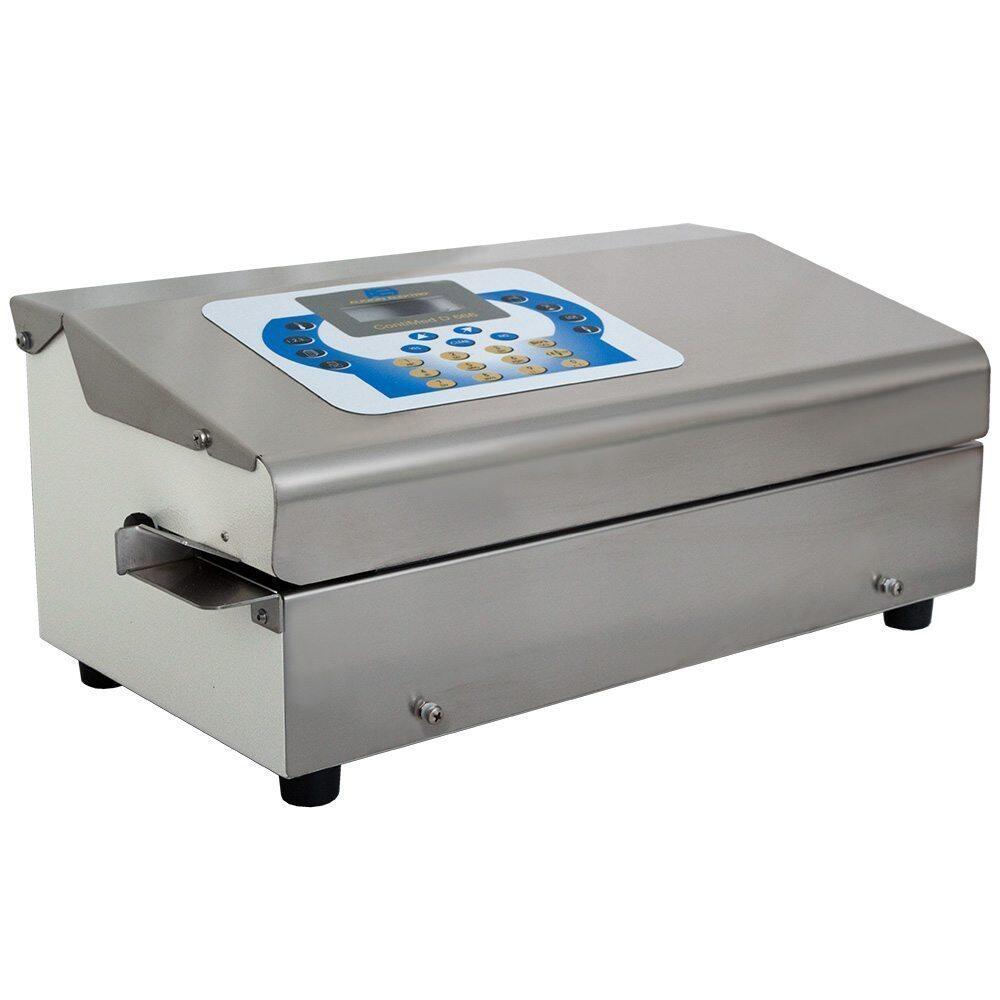
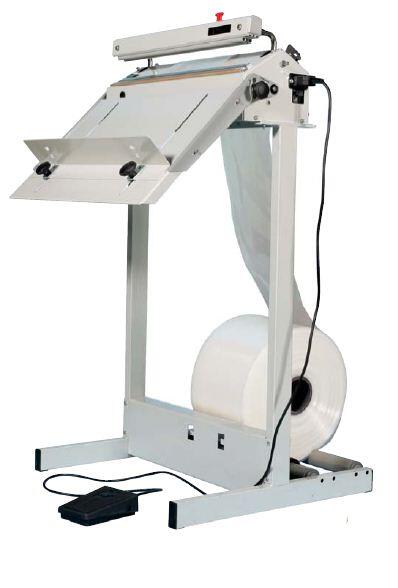
Multi-surgery or high-throughput practices processing hundreds of pouches daily benefit from a continuous band sealer like the Audion AD666 MPCV. Band sealers feed pouches through on a conveyor, producing a consistent multi-line seal at speed. The AD666 MPCV also includes a matrix printer for batch coding — a requirement under ISO 11607 for traceability of sterilisation loads.
Compliance and validation for dental sterilisation
HTM 01-05 sets out the decontamination standards for dental practices in England. It requires that packaging — including the seal — maintains sterility until the point of use. A validatable heat sealer produces documented, repeatable seal parameters that can be tested against ISO 11607 requirements for seal integrity.
Validation means you can prove the seal meets the standard, not just assume it does. For CQC inspections, having a validated sealer with logged parameters is significantly stronger evidence than using an unvalidated machine. The AD666 MPCV is DIN 58953 and ISO 11607 compliant out of the box, with built-in batch coding for full traceability.
Maintaining your dental pouch sealer
Impulse sealers need periodic replacement of the seal wire and PTFE cover tape. For a typical single-surgery practice sealing 20–50 pouches per day, plan to replace these every 3–6 months. The seal wire is the heating element — when it wears, seal quality drops and you risk incomplete seals that compromise sterility.
Band sealers like the AD666 MPCV use PTFE belts rather than wire. These last longer under continuous use but still need inspection. We stock replacement parts for every machine we sell, and our team can walk you through any maintenance over a video call if needed.
Dental pouch sealers
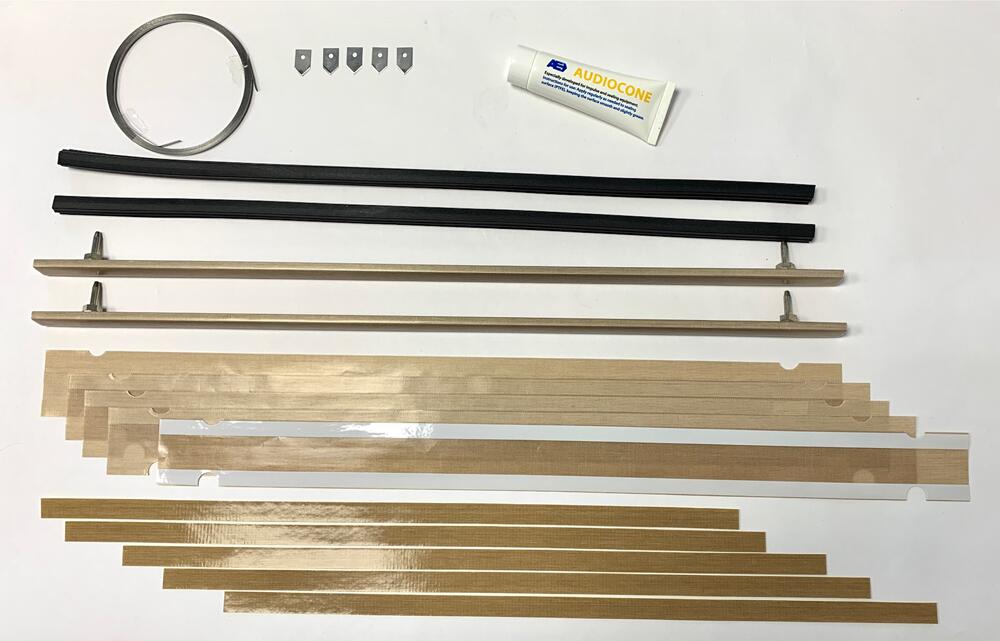
Replacement parts for dental sealers we sell
PTFE tape, seal wire, rubber pads, and cutter blades for Audion Magneta sealers. Replace seal wire and PTFE every 3–6 months depending on pouch volume.
Shop Spares Kits →What customers say
"They tested heat sealers on some sample bags I sent them to confirm suitability, even though the sale was relatively low value. Ultimately the unit I ended up purchasing was perfect for my needs."
"Wasn't sure which machine was most suitable for my requirements, phoned up and spoke to very friendly and knowledgeable staff member. Ordered a machine based on their advise and it's just what I needed. Would highly recommend."
"I would like to thank the team Chris and Steve at Packsealer. I have been using their sealers for about 3 years and I find the customer service has been excellent if it is just to buy a replacement part or a video call they are always extremely pleasant professional and polite. I have no hesitation giving them 5 stars keep up the great service."
Common questions
Dental practices need a heat sealer designed for paper-film sterilisation pouches. An impulse sealer like the Hulme Martin HM 2950 suits single-surgery practices sealing up to 50 pouches per day. For higher volumes, a continuous band sealer like the Audion AD666 MPCV handles hundreds of pouches per day with consistent, validated seals.
HTM 01-05 and CQC guidance require that sterilisation packaging maintains a sterile barrier until point of use. A validated sealer produces documented, repeatable seal parameters that can be tested against ISO 11607 requirements. While not every practice uses a fully validated machine, having one significantly strengthens your compliance position during inspections.
ISO 11607 requires a minimum seal width of 6mm for sterilisation packaging. Most dental pouch sealers produce seals of 8–12mm, which exceeds the minimum. The AD666 MPCV produces a multi-line seal for additional seal integrity. Seal length (the opening width the machine can handle) of 310mm or more covers all standard dental sterilisation pouch sizes.
For impulse sealers, replace the seal wire and PTFE cover tape every 3–6 months depending on daily pouch volume. A single-surgery practice sealing 20–50 pouches per day will typically get 6 months from a set. Band sealers need PTFE belt inspection at similar intervals. We stock replacement parts for every machine we sell.
Yes. Both impulse and band sealers with adjustable temperature settings can seal paper-film and Tyvek sterilisation pouches. Tyvek requires a slightly higher temperature and longer dwell time than standard paper-film. The HM 2950 has dual timers for this purpose, and the AD666 MPCV has fully adjustable temperature and speed controls.
Not sure which sealer is right? Our free assessment matches you in two minutes.
Find My MachineFind the right dental pouch sealer for your practice
Medical-grade sealers from £945. UK stock, fast dispatch, and expert advice on 0121 704 0294.
View Medical & Validatable Sealers → Or call: 0121 704 0294 (Mon–Fri, 9am–5pm)