The Rise of Mobile Clean Rooms: Flexibility, Speed, and Ultimate Cleanliness
Introduction
Mobile clean rooms are transforming how organisations create controlled environments—fast. Whether you're in pharmaceuticals, biotech, aerospace, or field research, maintaining contamination‑free space is essential. But traditional cleanrooms require significant time, construction, and investment. Mobile clean rooms solve this with rapid deployment, flexibility, and full compliance. In this article, you’ll learn what mobile clean rooms are, how they work, and why industries are adopting them at record speed.
Key Applications and Industry Use Cases
Mobile clean rooms are ideal for rapid‑response needs—such as clinical trials, decentralized cell and gene therapy manufacturing, field operations, and temporary capacity expansion during facility upgrades.
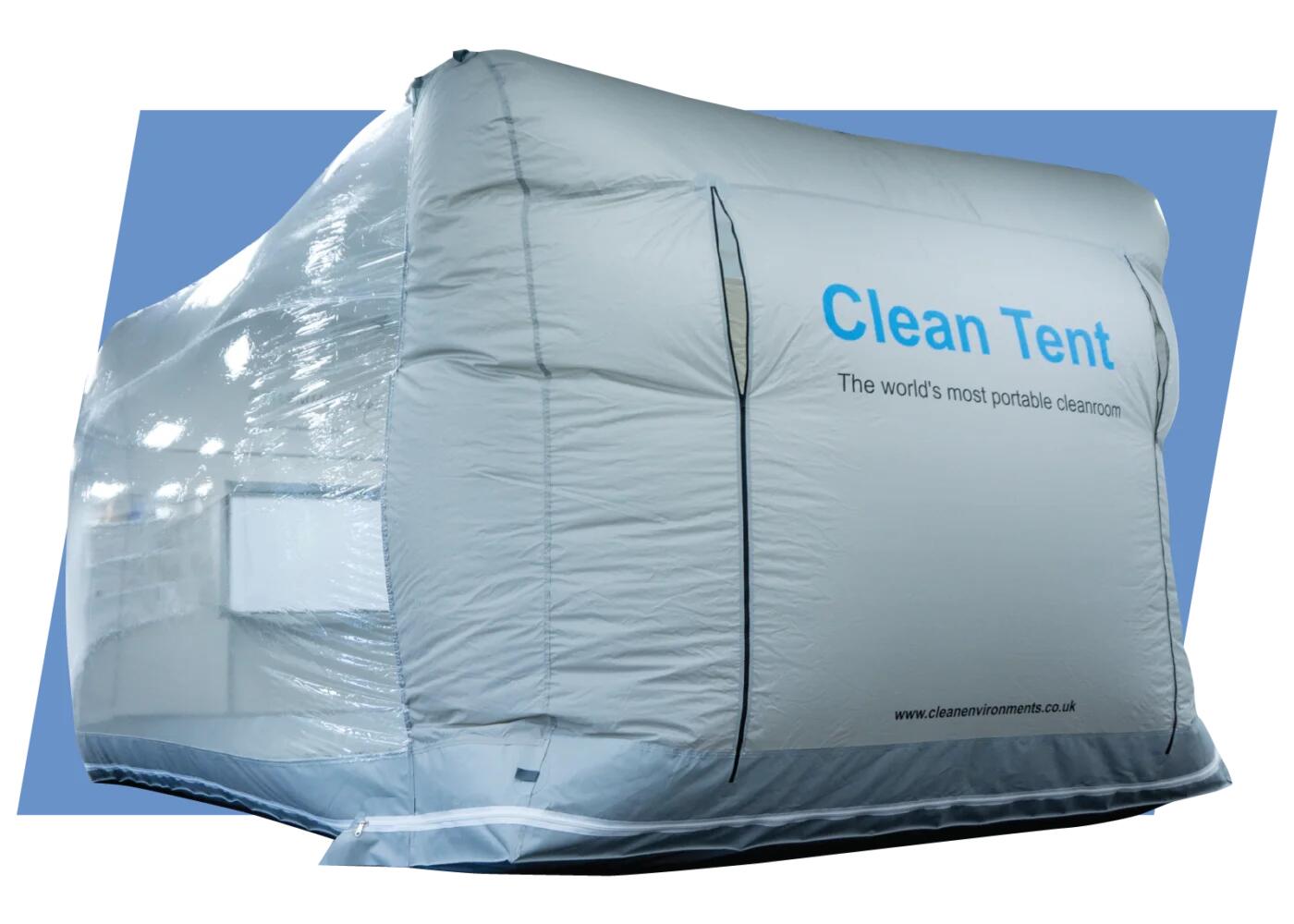
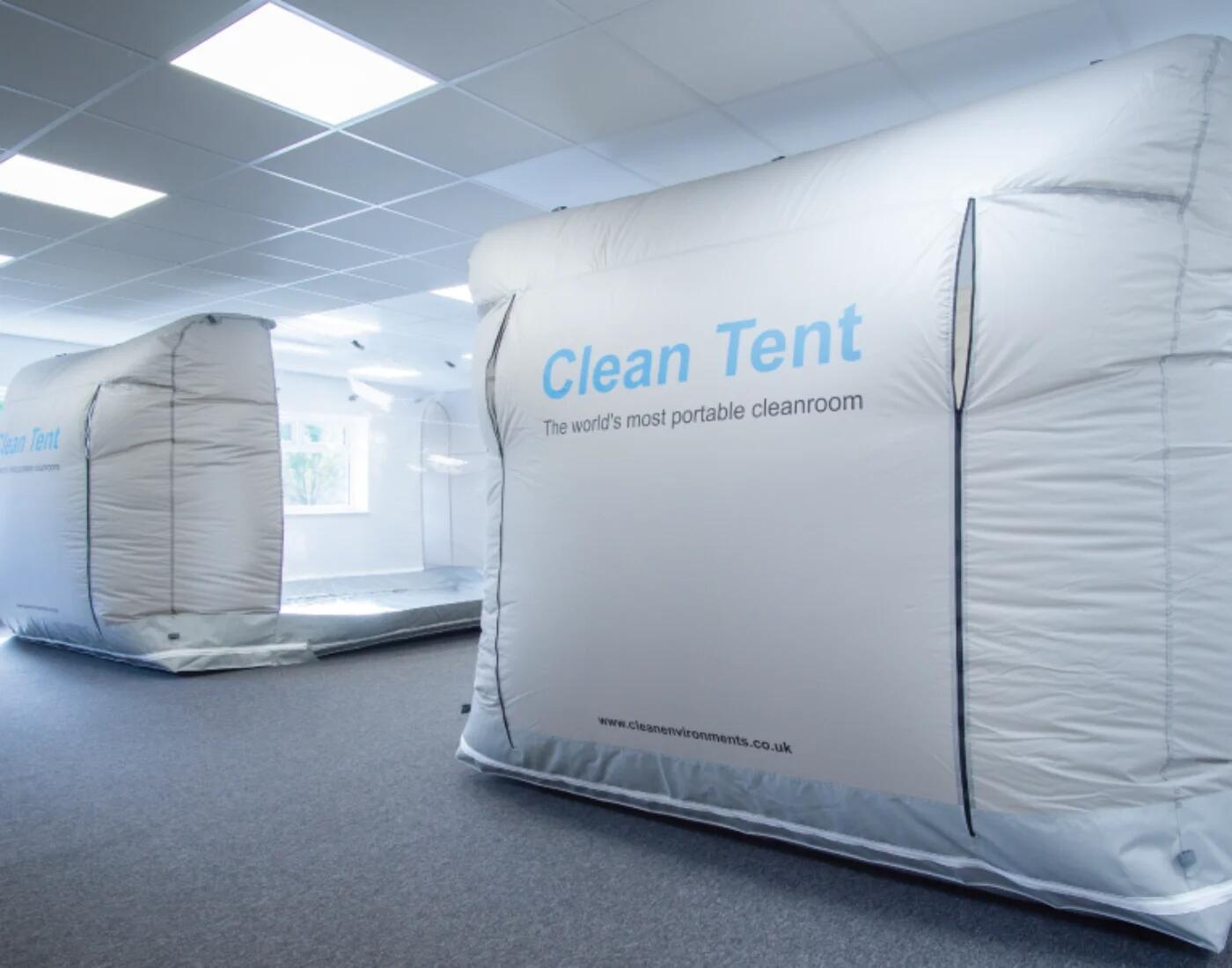
Inflatable models are also used for medical device manufacturing, defence operations, disaster response, and pharmaceutical testing, offering deployment within hours and no construction requirements.
Additionally, mobile clean rooms help support point‑of‑care services in healthcare environments where clean processing is required directly at patient locations.
How Mobile Clean Rooms Work (and Why They’re So Effective)
Most mobile clean rooms come pre‑equipped with HVAC, HEPA filtration, pressure control, interlocked doors, and utilities—all designed to meet ISO 14644 and GMP standards.
Some systems can be ready within a week, with modular floor plans that allow for sinks, fume hoods, laminar flow benches, biosafety cabinets, and other equipment.;
Inflatable variants like TCA’s Airelab require only a single inflation to become operational, with no continuous pump or frame needed, making setup extremely fast and cost‑effective.
Benefits, Considerations, and Common Questions
Mobile clean rooms offer flexibility, cost efficiency, and speed—ideal when building permanent facilities is impractical. They allow companies to scale operations quickly, relocate as needed, or maintain temporary clean spaces during audits or equipment upgrades. They are also available through rental programs, reducing upfront capital investment.
Common concerns—such as reliability and compliance—are addressed through factory testing, certification, and onsite commissioning offered by many manufacturers.
Conclusion
Mobile clean rooms are redefining how industries access controlled environments, offering unmatched speed, flexibility, and compliance. Whether you're scaling production, conducting research, or responding to urgent operational needs, mobile clean rooms provide a powerful alternative to fixed installations.
Ready to explore a mobile clean room solution?
Consider downloading a comparison guide, requesting a quote, or subscribing for more insights on cleanroom technology.