
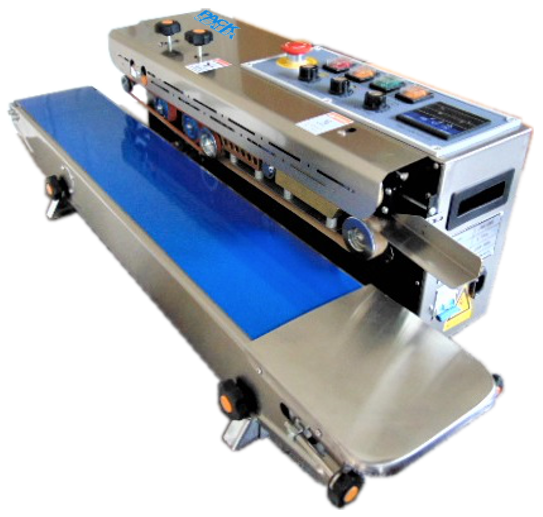
Heat Sealers
UK heat sealer specialists since 2001
We'll tell you which heat sealer to buy
An impulse heat sealer handles a few bags a day; a bag sealer machine on a moving belt runs a line all day. The right one comes down to your volume and your film. Send us a sample bag, we'll seal it on three machines and tell you which to buy. Free.
Call 0121 704 0294
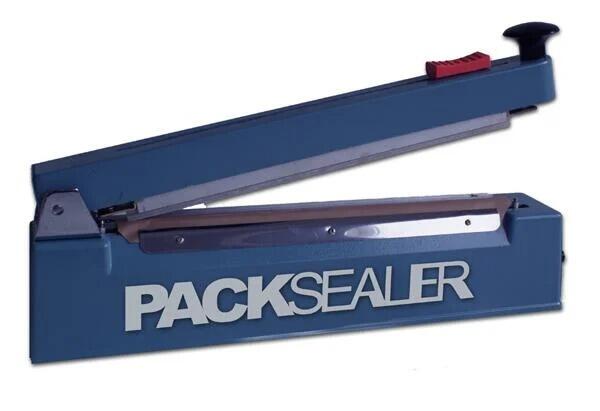 Hand impulse sealersLow volumes, under roughly 200 bags a day. Press down, hold a second, done.From £64
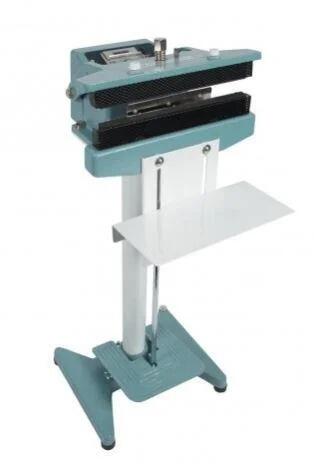 Foot pedal sealersBoth hands free for steadier output on a packing bench.300 to 1000mm+Continuous band sealersA moving belt for lines that seal all day, with optional date coding.Up to 30 a minute
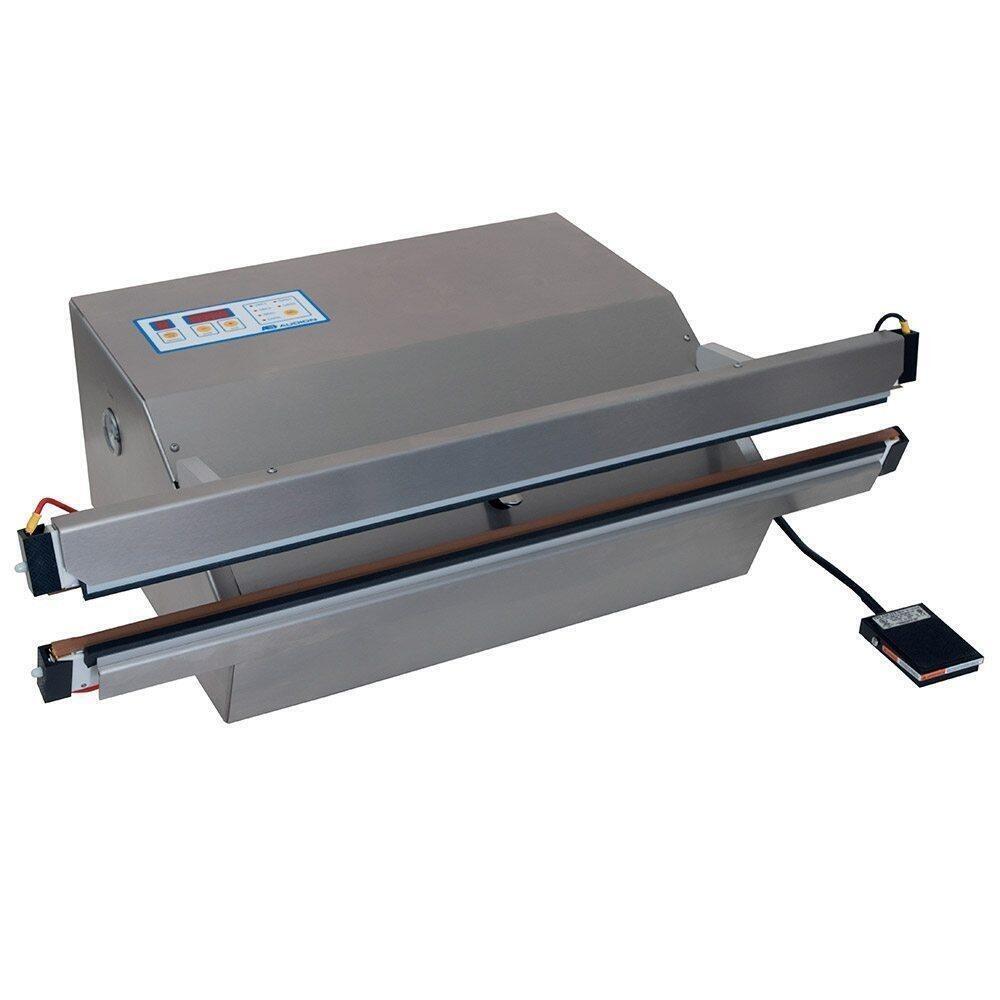 Medical & validatable sealersA calibrated, recorded seal for sterile barrier packaging.Validatable
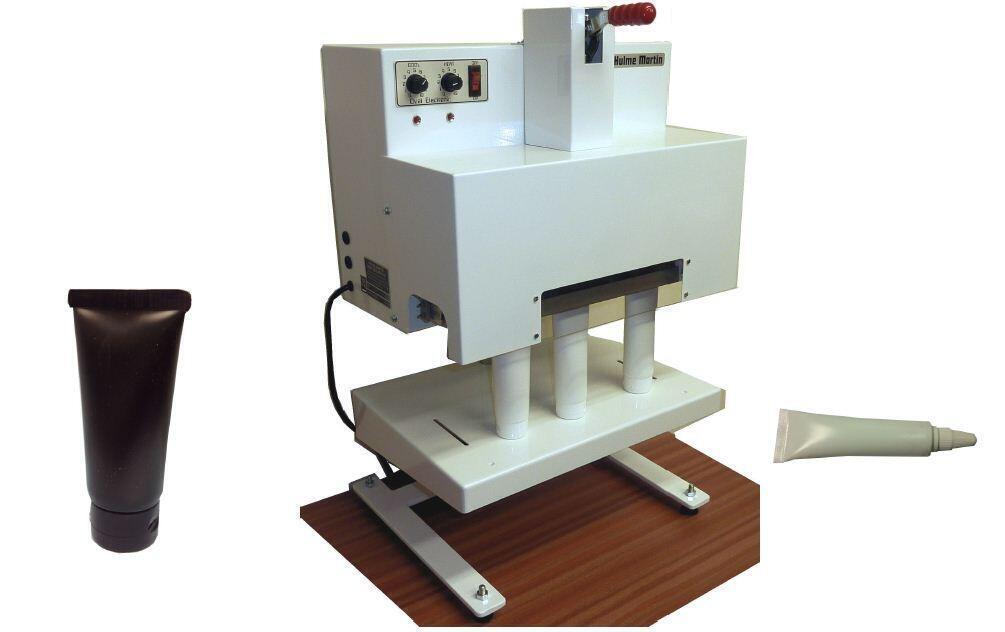 Pouch & tube sealersFor pre-made pouches, tubes and gusseted bags off a bench.Pre-made bags
What actually matters when you choose
Four things decide whether a heat sealer suits your line. Everything else is detail.
Seal length
Measure the widest bag you run, then add a margin. A 300mm sealer won't close a 400mm bag, but a 600mm machine seals a 300mm bag fine. Size up to your biggest bag and it still closes the smaller ones.
Throughput
Under ~200 bags a day, a hand impulse sealer keeps up. Steady bench work wants a foot pedal. All-day lines want a continuous band sealer. Buying under your volume burns out the wire; buying over it wastes money.
Film
Polythene seals easily. Laminates, foil and compostable films need more heat and dwell, and some need constant-heat rather than impulse. Tell us your film and we'll confirm what closes it.
Parts and repair
A sealer is only as good as the wire and Teflon you can replace at 4pm on a Friday. We stock spares across the brands we sell and repair our own-brand machines in-house in Solihull. Cheap online units fail on exactly this.
Bag sealer, heat sealer, sealing machine: the same thing?
Mostly yes. The names move around, the machines do not. Here is what people usually mean.
Bag sealer and heat sealer
Two names for one machine. A bag sealer closes a poly bag by melting the two layers together, and that is heat sealing. If you searched for a bag sealer machine and landed on heat sealers, you are in the right place.
Bag sealing machine
Usually means something faster. People picturing a bag sealing machine normally have an inline unit in mind, sealing while the bag keeps moving, which is a continuous band sealer. If you are sealing by hand at a bench, an impulse sealer is cheaper and simpler.
Industrial heat sealer
Depends on your shift, not your industry. For most UK operations it means a machine that runs all day without cooling off, so constant heat rather than impulse, on a frame that takes a knock. Tell us your daily bag count and we will size it.
Which do we stock?
All of them, across eight brands, held in UK stock. Hand impulse from £64, foot pedal for steady bench work, continuous band for lines, and validatable sealers for medical and pharma. Spares and repairs run out of Solihull.
Browse by industry
Free, no-obligation quote
Not sure which heat sealer fits your line?
Tell us your volume and current setup. We'll match you to the right machine and reply within 24 hours. UK stock, real engineers, honest advice.
Something didn't send. Please try again, or call 0121 704 0294.
Got it. We'll reply within 24 hours. For urgent quotes, call 0121 704 0294.
Heat sealer FAQs
The questions we get asked most, answered straight. Still stuck? Send us a sample bag and we'll seal it on three machines and tell you which fits.
How hot does a heat sealer get?
It depends on the type. An impulse sealer doesn't hold a temperature. It pulses the wire for a set time when you press, then cools, so the bar is cool to the touch between seals. A constant-heat or band sealer holds a set belt temperature, usually 150 to 200°C depending on film. Heavier films need more heat. See hand impulse sealers
How do I choose the right heat sealer?
Start with two numbers: your widest bag and your bags-per-day. Bag width sets the seal length you need. Volume sets the machine type, impulse for low runs, foot pedal for steady bench work, band sealer for all-day lines. Then match the film. Unsure? Send us a sample bag and we'll seal it on three machines and tell you which fits. Free.
Manual or electric heat sealer: which do I need?
Manual hand sealers are impulse units: you press a bar, hold a second, release. They suit low, irregular volumes and cost from £64. Electric foot pedal and band sealers free your hands and hold output up, which matters past roughly 200 bags a day. Let your daily volume make the call. Compare foot pedal sealers
Handheld or countertop heat sealer?
Handheld sealers suit occasional use and oversized bags you can't lift onto a bench. Countertop sealers suit repeat work from a fixed packing station, where a foot pedal or jaw sealer is faster and more consistent. For any real daily volume, countertop wins. See desktop sealers
What seal length do I need?
Match it to your widest bag, plus a little margin. Seal length is the widest bag opening the machine closes in one press. People mix this up with bag length, so measure across the opening. We stock from 200mm hand units to 1,000mm-plus foot pedal and band machines. A longer sealer always closes a shorter bag, so size up if you're between two. Foot pedal range
Heat sealer or vacuum sealer: which do I need?
Different jobs. A heat sealer closes a bag. A vacuum sealer pulls the air out first, then seals, which extends shelf life and protects against freezer burn and oxidation. If air in the bag matters, you want a vacuum packer. If you only need a closed, tamper-evident bag, a heat sealer is cheaper and faster. See vacuum packers
Heat sealer or impulse sealer: what's the difference?
An impulse sealer is a type of heat sealer, which causes the confusion. "Heat sealer" covers any machine that closes a bag with heat. Impulse means the heat comes in a timed pulse on a wire rather than from a bar held permanently hot. Most low and mid-volume bag sealers are impulse. See hand impulse sealers
How much does a heat sealer cost?
Hand impulse sealers start at £64. Foot pedal machines run from a few hundred pounds to over a thousand for wide, heavy-duty units. Continuous band sealers for production lines start around £1,000. Medical validatable sealers cost more again. Price tracks seal length, duty cycle and build. Brand badging adds little.
Can one heat sealer handle different bag films?
Usually, within limits. Most sealers close polythene, polypropylene and many laminates by adjusting heat and dwell time. Thick foils and some compostable films need more heat or a constant-heat machine rather than impulse. If you run several films, tell us the toughest one and we'll spec for that. See polythene bag sealers
How long do heat sealers last, and are they repairable?
A well-matched machine runs for years in daily use. The wear parts are the heating wire and the Teflon (PTFE) tape, both consumable and quick to replace. We stock spares across the brands we sell, repair our own-brand machines in-house in Solihull, and arrange repairs for the rest. A sealer with no parts supply is the one to avoid. Heat sealer spare parts
Are heat sealers safe to use?
Yes, with normal care. The seal bar gets hot, so the burn risk is the obvious one, and impulse units cool fast between seals to reduce it. Keep fingers clear of the jaw, let band sealer belts cool before cleaning, and run them on a sound electrical supply. None of it is specialist, but it's worth a line in your packing SOP.
Still deciding? Send us a sample bag and we'll seal it on three machines, then tell you which to buy. Free.
Call 0121 704 0294