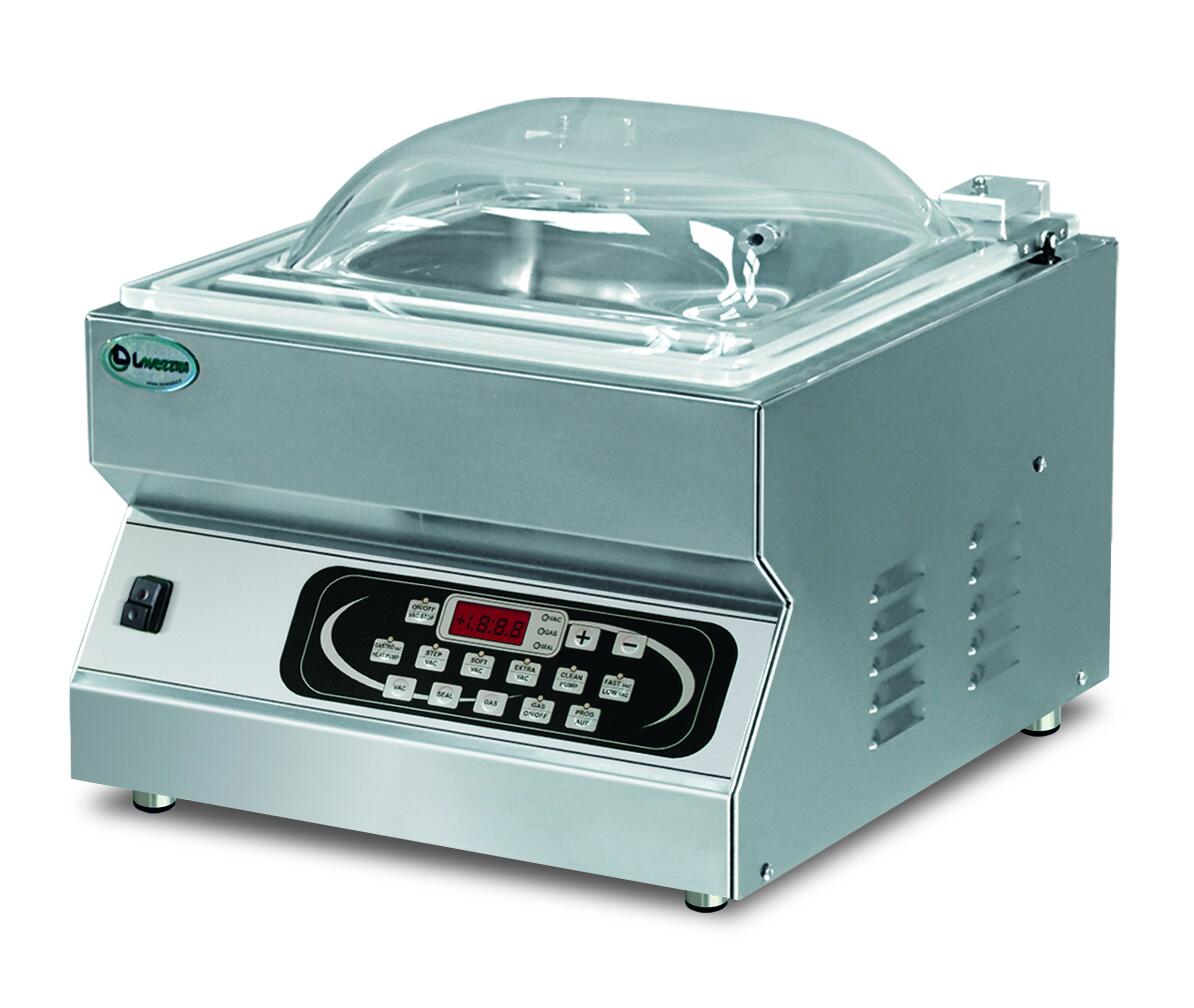
Speedy Chamber Vacuum Sealer
£1,995.00 ex VAT
(£2,394.00 inc VAT)
In stock

Vacuum packing since 2001
We'll tell you which chamber machine to buy
A chamber vacuum sealer drops the whole bag inside and pulls a full vacuum, so it seals wet food, soups and raw meat without mess. The right model comes down to your bag size, your throughput, your seal bars and your pump. Tell us what you pack and we'll point you at the one that fits. UK supplied, repaired in our Solihull workshop.
Call 0121 704 0294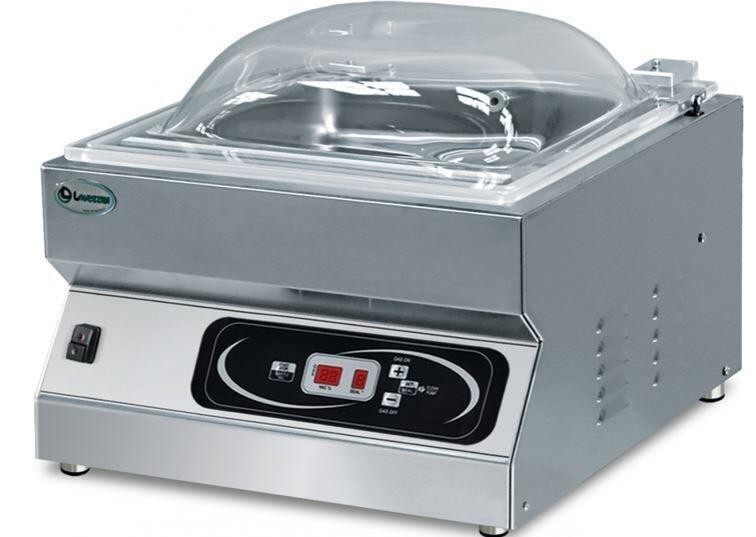
You've settled on chamber. Four things then set the right model. The rest is detail.
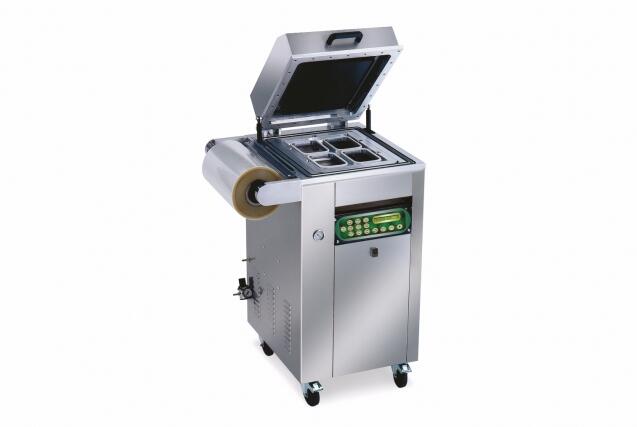
Measure your biggest bag, then add 20mm of clearance on every side. The bag has to lie flat inside the chamber. Benchtop chambers suit bags up to roughly 400mm; floor-standing models take larger cuts and trays.
A single bar seals one edge. A double bar seals two bags at once, or lays a wider, more secure weld on thick pouches. Double-chamber machines load one side while the other runs, for steady production.
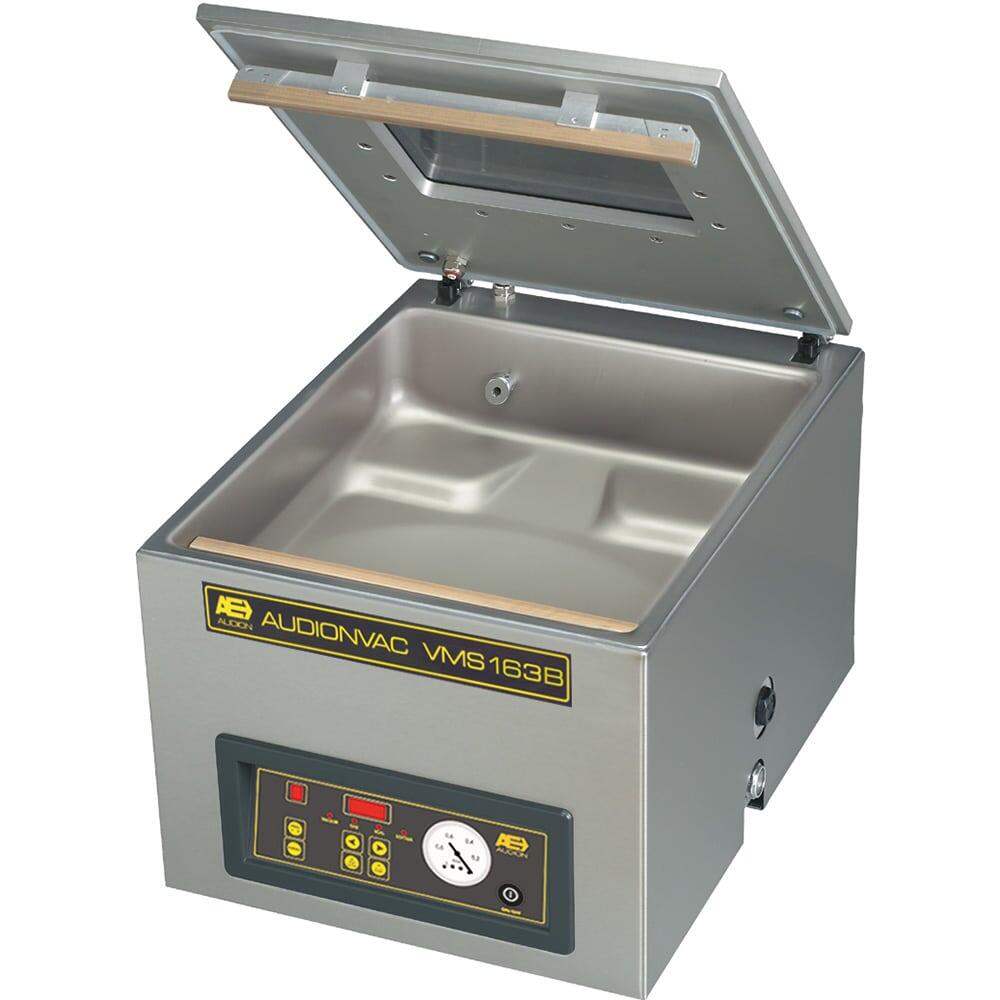
The pump sets how fast you cycle and how deep you pull. Oil pumps suit heavy daily use and wet products; dry pumps need less upkeep. Throughput is rated in cycles a minute, so match it to the rate you actually run.
A chamber machine is a long-term buy. We stock seal bars, pump oil and spares, and repair the machines we sell in our Solihull workshop. A unit shipped from overseas with no parts supply is the one to avoid.




The questions we get asked most about chamber machines, answered straight. Still stuck? Tell us what you pack and how much you run, and we'll point you at the right one.
An external sealer grips the open neck of the bag and draws the air out through it. A chamber machine puts the whole bag inside a sealed box, removes the air from everything at once, then seals. That full vacuum is why chamber machines handle liquids and soft food an external unit would pull into the seal. Pack only dry goods at low volume? An external sealer is cheaper and enough. See external & probe sealers
For commercial food, butchery, restaurants and any line packing wet or high-value product, yes. The full vacuum gives a tighter, more reliable seal and longer shelf life, and smooth chamber pouches cost less per bag than textured external rolls. If you pack a handful of dry bags a week, the spend is hard to justify, and we'll tell you so. Vacuum packing for meat & butchery
Yes, and it's the main reason to buy one. Because the air comes out of the whole chamber, the liquid stays put instead of being dragged towards the seal bar. Most machines let you set the vacuum to stop just before the liquid boils under low pressure, so you get a clean seal on soups, stocks, sauces and marinated cuts.
Measure your largest bag and add about 20mm of clearance on each side, then check the bag lies flat inside. Benchtop chambers handle bags up to roughly 400mm. Larger cuts, trays and longer pouches want a floor-standing chamber or a double seal bar. Send us your bag dimensions and we'll confirm the model before you order.
A single bar seals one edge of one bag. A double bar seals two bags at once, or puts a wider, more secure weld on a thick pouch. A double-chamber machine has a lid that swings between two wells, so one side loads while the other runs. Doubles earn their keep once you're running real production volume.
Most commercial chamber machines run an oil-sealed pump. It pulls a deeper vacuum and copes with heavy daily use and moisture, though the oil needs changing on a schedule. Dry pumps skip the oil and the upkeep, and suit lighter or cleaner duty. We supply the right pump oil and walk you through the change interval for your model.
Only if your product needs a protective gas in the pack rather than a vacuum. Gas flush replaces the air with a nitrogen or CO2 mix, which holds shape on soft food and extends shelf life on items that bruise under full vacuum, like cooked meats and bakery. Several of our chamber machines take a gas option. Tell us the product and we'll spec it.
No. The textured or embossed bags made for external sealers don't seal reliably in a chamber. Chamber machines use smooth, co-extruded pouches, which is good news on cost: smooth chamber bags are cheaper per unit than embossed rolls. We supply chamber pouches in standard and custom sizes to match your machine.
Benchtop chamber machines start around £1,549 ex VAT. Mid-range table-top models with stainless chambers and digital control run £2,500 to £3,000. Floor-standing and double-chamber production machines reach £5,000 to £10,000-plus. Price tracks chamber size, pump capacity and seal-bar count, not the badge. Tell us your throughput and we'll point you at the smallest machine that keeps up.
Yes. The wear parts are the seal bar, the Teflon and the pump oil, all consumable and quick to swap. We stock spares for the chamber machines we sell, supply the correct pump oil, and repair our own-brand machines in our Solihull workshop. A chamber machine with no UK parts supply is a false economy, however cheap it looks online.
Still deciding? Tell us what you pack and how much you run, and we'll point you at the right chamber machine and bag.Call 0121 704 0294
Tell us what you need and we will point you to the right setup. UK stock, real engineers, straight answers. We reply within one working day.